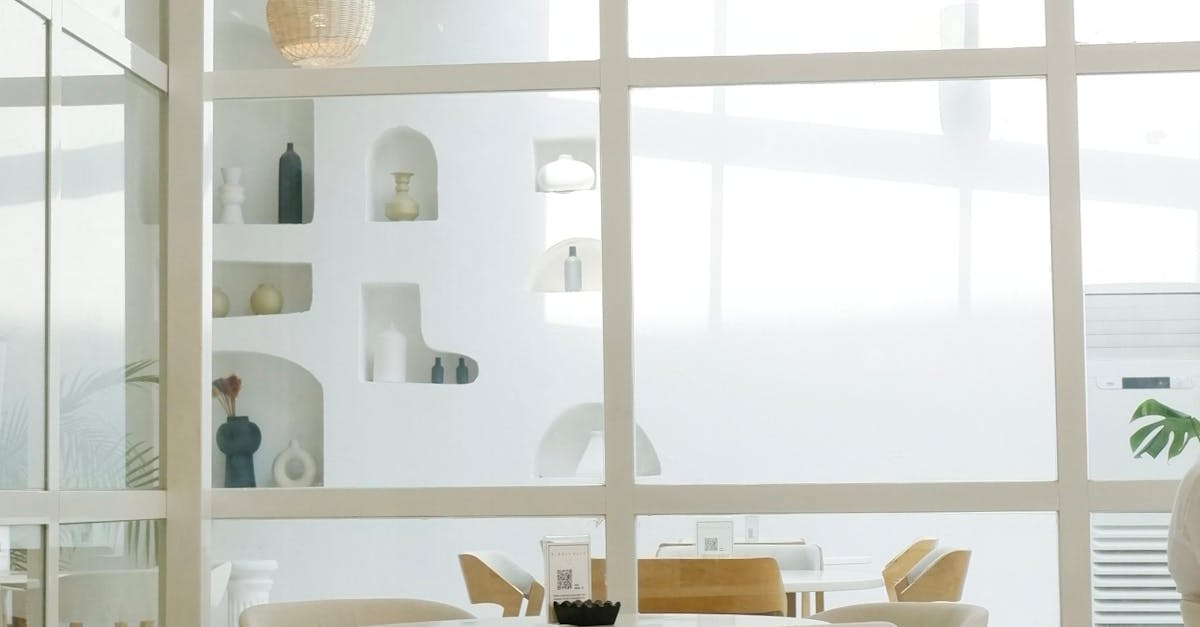
DIY Room Dividers for Open Concept Spaces
Utilizing Bookshelves as Room Dividers
Bookshelves serve a dual purpose in open concept spaces, providing both storage and a way to create defined areas. By positioning a bookshelf in a strategic location, you can effectively segment a room while maintaining the open feel that is core to such designs. This not only helps to organize your belongings but also offers a platform for displaying books, decor, and personal items. An aesthetically pleasing arrangement can enhance the overall ambiance and style of the space.
When selecting a bookshelf for this purpose, consider the height and design. A low bookshelf can provide a subtle division while allowing light to pass through, preserving openness. Alternatively, taller options can create a more pronounced separation. Using them as dividers encourages creativity in decor. Mixing in decorative boxes, plants, or framed photos can transform the space while keeping functionality in mind.
Maximizing Storage and Style
Bookshelves serve as an ideal solution for dividing open spaces while adding valuable storage. A well-placed bookshelf can create distinct areas without sacrificing accessibility or light. By incorporating decorative boxes and baskets within the shelves, you not only enhance the overall aesthetic but also maintain organization. This multi-functional approach keeps frequently used items easily accessible while displaying favorite books and decorative pieces to reflect your style.
Designing a bookshelf with an eye for aesthetics maximizes its potential impact. Choosing a color scheme or finish that complements your existing decor can elevate the overall look of the room. Incorporating varied shelf heights allows for an interesting visual dynamic, accommodating both taller items and shorter decor. Personal touches can transform a simple divider into an eye-catching focal point, blending practicality with personal style effectively.
Incorporating Plants into Your Dividers
Bringing greenery into your open concept space adds life and warmth. Using plants as a natural divider creates a sense of separation while enhancing air quality. Select larger potted plants for more significant visual impact, or opt for smaller plants placed on floating shelves to maintain an open feel. Choosing a mix of heights and textures can create a dynamic look that complements your decor.
Incorporating plants within dividers also allows for versatility in design. Succulents and herbs can thrive in smaller, less demanding spaces, providing both beauty and function. Consider using vertical garden setups to take advantage of wall space. This approach works well for creating a lively backdrop while ensuring that your room dividers serve multiple purposes, from aesthetics to improved ambiance.
Choosing the Right Plants for Your Space
When selecting plants for use as room dividers, consider the amount of light your space receives. Different plants thrive in varying light conditions. For bright areas, succulents and cacti make excellent choices, while low-light spaces can benefit from hardy options like pothos or snake plants. Assessing the specific environment of your room will help ensure your plants not only survive but flourish.
The size and shape of the plants also play a crucial role in effective division. Taller species like fiddle leaf figs can create a striking vertical barrier. Smaller plants can be arranged on shelving or in clusters at varying heights to add visual interest while still providing a sense of separation. Additionally, consider the maintenance required. Selecting plants that fit your lifestyle will keep your room dividers looking fresh and vibrant.
Mobile Room Dividers for Flexibility
Creating mobile room dividers allows for easy reconfiguration of your space as needs change. These dividers can adapt to various situations, whether you're hosting guests, working from home, or simply wanting to create a more intimate atmosphere. With the right materials, such as lightweight wood or fabric, you can design dividers that are both functional and aesthetically pleasing.
DIY options for mobile dividers are abundant and can be tailored to suit your personal style. Casters can be added to the base to facilitate movement, enabling you to shift the dividers effortlessly. Consider constructing a folding screen or utilizing rolling panels for a versatile solution that can be tucked away when not in use. Personalizing the color, texture, and pattern of your dividers can enhance the overall appeal of your open concept area while ensuring maximum flexibility.
DIY Options for Easy Mobility
Creating mobile room dividers adds versatility to any open space. One effective DIY approach involves using lightweight materials, such as curtains or fabric panels suspended from a ceiling-mounted track. This allows the divider to glide smoothly along when rearranging the layout. For a more robust option, consider building a simple frame with caster wheels attached to the bottom. This method ensures stability while enabling easy movement.
Another innovative solution is to repurpose furniture with wheels, such as a small bookshelf or a rolling cart. These pieces can serve as functional dividers while providing extra storage or display space. To enhance the aesthetics of the divider, attach decorative panels or artwork to the sides. This not only reinforces the design but also ensures that the mobile divider contributes to the overall décor of the room.
FAQS
What are some benefits of using DIY room dividers in open concept spaces?
DIY room dividers can enhance privacy, create distinct areas within a larger space, add aesthetic appeal, and improve organization by providing additional storage or display options.
Can I use any type of bookshelf as a room divider?
While you can use various bookshelves as dividers, it's best to choose ones that are sturdy and tall enough to provide adequate separation. Open shelving units work well for creating a sense of openness, while tall, solid bookshelves offer more privacy.
What types of plants work best for incorporating into room dividers?
Low-maintenance plants like snake plants, pothos, and peace lilies are great choices for room dividers. They thrive in various lighting conditions and can add a touch of nature to your space without requiring extensive care.
How can I make a mobile room divider for easy flexibility?
You can create a mobile room divider using lightweight materials like fabric or plywood mounted on wheels. Alternatively, consider using folding screens or repurposed furniture with caster wheels for easy movement.
Are DIY room dividers cost-effective compared to professional installations?
Yes, DIY room dividers are generally more cost-effective than professional installations, as they allow you to use materials you may already have or can acquire at a lower cost. Plus, you have the freedom to customize them to perfectly fit your space and style.
Related Links
Building Your Own Indoor Plant StandCustomizing Blank Walls with DIY Photo Galleries
Maximizing Your Home Cleanout In Boise With The Help Of Hauling Services