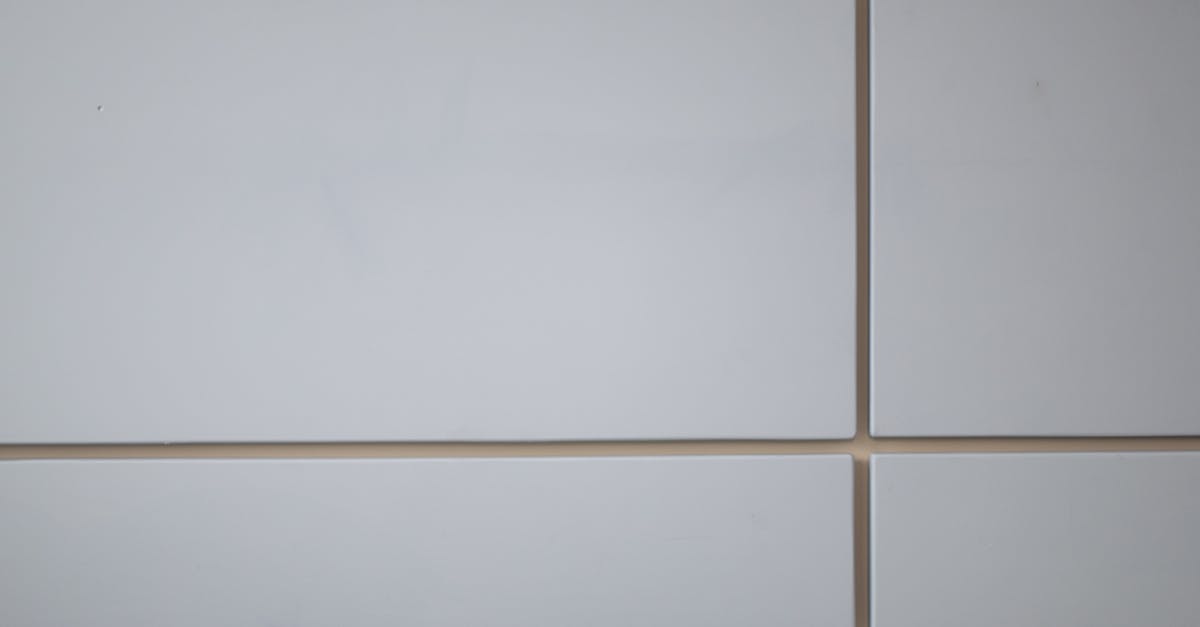
How to Install a Backsplash in Your Kitchen
Installing the First Row
Begin the installation process by preparing the wall surface. Ensure it is clean, dry, and free of any grease or dust. This provides a proper adhesion foundation for the tiles. Use a level to mark a straight line where the first row will be installed. This guideline will serve as a reference point, preventing any misalignment as you work your way up.
Next, apply adhesive to the wall using a notched trowel. Hold the trowel at a 45-degree angle to create an even layer. Press the first tile into position along the marked line. Gently twist it to help it adhere better. Install spacers between the tiles to maintain consistent gaps for grout later. Continue this process, carefully ensuring each tile aligns with the level line and the previous one.
Alignment Tips for a Professional Finish
Achieving a professional look starts with proper alignment of your first tile row. Use a level to draw a straight reference line on the wall where the first row will be installed. This ensures that each tile remains straight and even. When placing the tiles, ensure consistent spacing by using tile spacers. These small tools help maintain uniform gaps between tiles, contributing to a polished appearance.
Regularly step back and check your progress as you install the first row. Observing the tiles from a distance allows you to identify any misalignments early on. If adjustments are needed, it's best to make them right away before the adhesive sets. Staying attentive to alignment throughout the installation process will help create a seamless and professional finish that elevates the overall look of your kitchen.
Filling in the Remaining Rows
Once the first row is securely in place, you can begin placing the remaining rows of tiles. Start by measuring the distance from the first row to the countertop or the bottom of the cabinets if applicable. This ensures uniformity in spacing. It might be helpful to use a tile spacer to maintain consistent gaps between each tile. Continue working row by row, cutting tiles as needed to fit snugly around corners or edges.
As you progress, maintain a consistent pattern to prevent any irregularities in the design. Checking alignment regularly will keep everything looking straight and level. A handheld tile cutter or wet saw can make the cutting process much smoother. Be mindful of the thin-set mortar used, ensuring you spread it evenly on the wall to provide a solid base for the tiles.
Techniques for Steady Application
Maintaining a steady hand is essential for an effective backsplash installation. Begin at one corner of the wall and work your way across, applying adhesive evenly to each tile's back before placing it on the wall. A consistent amount of adhesive helps prevent tiles from slipping during application, ensuring that they remain properly aligned. To avoid fluctuations in height, use spacers between tiles. These spacers will create uniform gaps for grouting and assist in keeping lines straight.
Frequent checks of alignment during installation can prevent later inconsistencies. Utilize a level to monitor the tiles as you work, adjusting as necessary to maintain straight lines. If any tiling appears misaligned, it’s easier to correct immediately rather than after the adhesive has set. Regularly stepping back to assess the overall look can also help catch any potential issues early on, ensuring a professional appearance as you progress through each row.
Applying Grout
Once the adhesive has set and the tiles are firmly in place, it's time to apply grout. Start by mixing the grout according to the manufacturer's instructions. Ensure you achieve a smooth consistency. Using a rubber float, scoop up some of the grout and press it into the joints between the tiles. It's important to work in small sections to prevent the grout from drying out before you can clean up any excess.
After filling the joints, use the float at a 45-degree angle to scrape off the excess grout from the tile surface. Be gentle to avoid removing too much from the joints. Allow the grout to set for about 10 to 20 minutes, depending on the specific product instructions. Once a skin begins to form on the grout, dampen a sponge with water and wipe the tiles to remove any remaining residue, being careful not to disturb the grout lines.
Best Practices for Grouting
Before grouting, ensure that the tiles are clean and free of any dust or debris. This preparation allows the grout to adhere better, providing a stronger bond. Use painter’s tape to protect any adjacent surfaces from grout smears, creating cleaner lines. Mix the grout according to the manufacturer’s instructions, achieving a smooth, lump-free consistency. Test a small area first to verify the color and texture meet your expectations.
When applying grout, use a rubber float, pressing it into the joints with an angled motion. This method ensures that the grout fills each gap adequately while removing excess material. Allow the grout to set for about 20 to 30 minutes before wiping away the haze left on the tile surface. Use a damp sponge to clean the tiles, rinsing it frequently to prevent smearing grout back into the joints. Pay careful attention to corners and edges to achieve a neat, finished appearance.
FAQS
What materials do I need to install a backsplash in my kitchen?
To install a backsplash, you will need tile, adhesive or mortar, a trowel, a level, spacers, grout, a grout float, a sponge, and a utility knife. Optional tools include a tile cutter or wet saw for precise cuts.
How do I ensure my first row of tiles is level?
To ensure your first row is level, use a level tool to mark a straight line across the wall where the tiles will be placed. It's also advisable to start from the center and work outwards to maintain symmetry.
What is the best adhesive for installing a backsplash?
The best adhesive for installing a backsplash depends on the type of tile. Thin-set mortar is commonly used for ceramic and porcelain tiles, while mastic adhesive is suitable for lighter tiles in dry areas.
How long should I wait before applying grout after installing tiles?
You should typically wait 24 hours after installing the tiles before applying grout. This allows the adhesive to set properly. However, always refer to the manufacturer's instructions for the specific products you used.
Can I install a backsplash over existing tile?
Yes, you can install a backsplash over existing tile, but it's essential to ensure that the surface is clean, smooth, and well-bonded. Using a suitable adhesive and tiling method is crucial for a successful installation.
Related Links
How to Create a Mini Indoor Zen GardenDIY Lighting Fixtures to Illuminate Your Space
Maximizing Your Home Cleanout In Boise With The Help Of Hauling Services